

Powerlifting – How to Improve Strength and Technique
Squats, bench press, and deadlift — these three exercises that make up powerlifting require not only solid effort but also bring significant benefits for your health, well-being, and overall fitness. Here’s why it’s worth exploring this powerful discipline.
Powerlifting is becoming an increasingly popular sport among strength training enthusiasts. The growing interest is reflected in the rapidly rising number of professional athletes — from around 1,000 competitors in 2015 to over 5,000 in 2021. For some, it’s simply a form of strength training aimed at building muscle and increasing power, while for others, it’s about constantly challenging personal limits. And those limits can be incredible — the best athletes can lift weights up to six times their body weight!
Benefits of Powerlifting Exercises
Barbell Squat
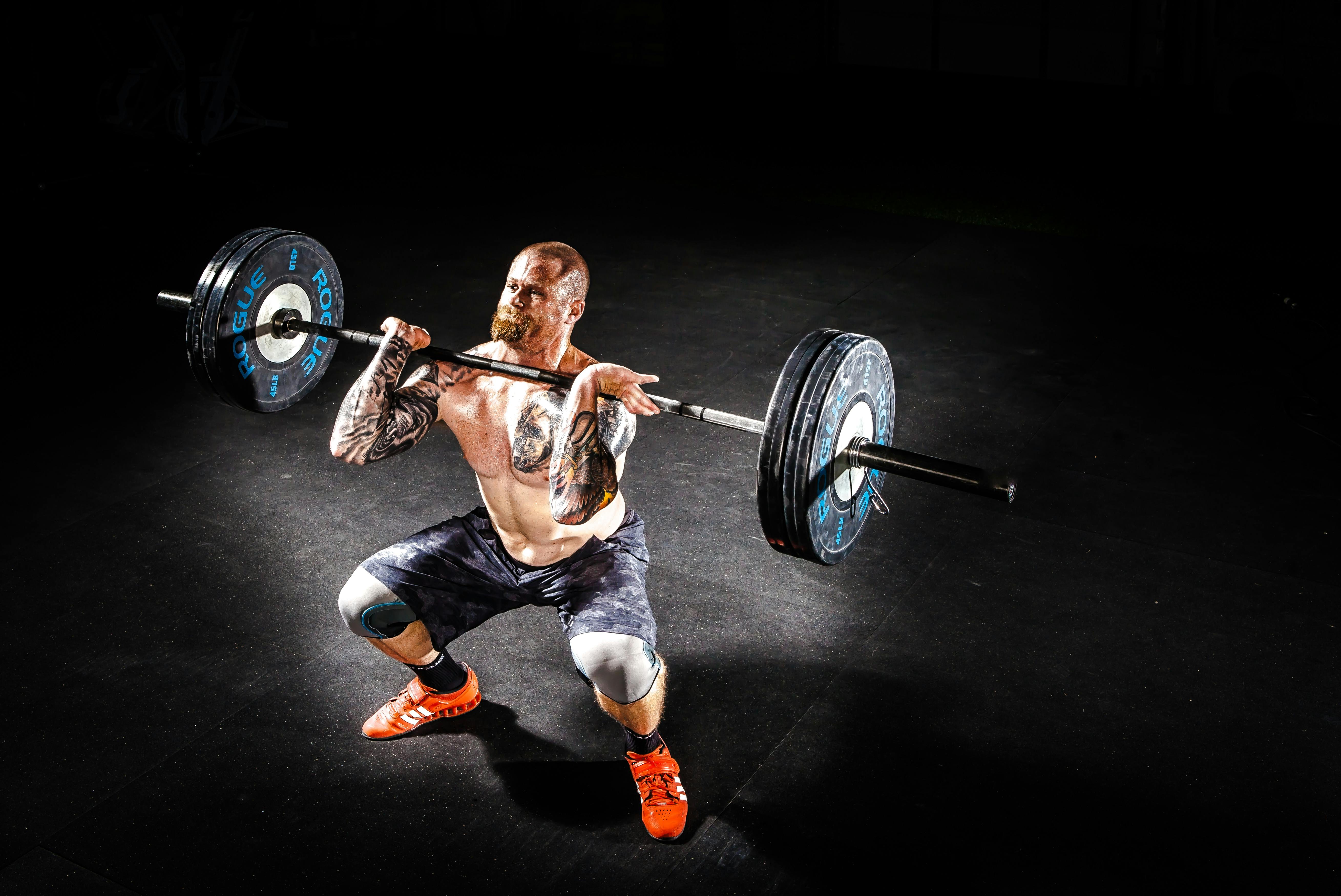
This exercise involves performing a deep squat with a barbell on your back and returning to a standing position. It primarily strengthens the quadriceps, hamstrings, glutes, and adductors. Well-developed legs not only look impressive but also improve posture, hip and knee alignment, and overall lower body stability.
When aiming for perfect technique, it’s important to progress gradually and adjust the load to your training level. Regardless of the weight you lift, a powerlifting belt can provide valuable support. By increasing abdominal compression, it reduces spinal strain, improves posture, and lowers the risk of injury. Adjustable belts ensure a secure and comfortable fit during heavy lifts.
The knees are particularly vulnerable during squats. Excessive weight can lead to injuries such as ACL tears or meniscus damage. To protect your joints, knee wraps are highly recommended. They stabilize the knees, help maintain proper technique, and support keeping your knees in the correct outward position. Their elastic design and adjustable fastening make them versatile, comfortable, and highly effective. In powerlifting, success depends not only on strength but also on mastering proper form.
Bench Press
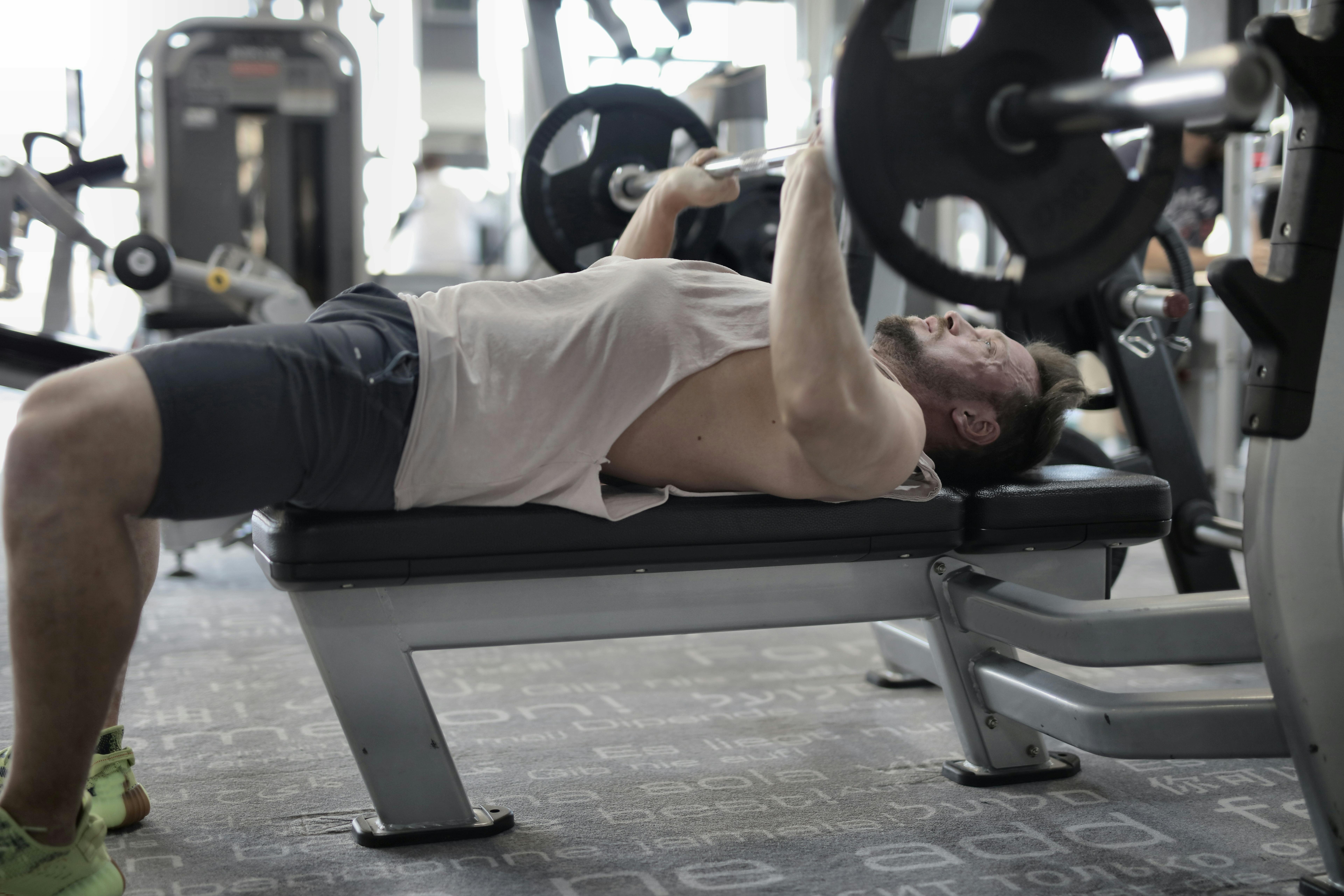
The bench press — lifting a barbell while lying down — is one of the most challenging yet rewarding exercises in powerlifting. By pressing the weight upward, you strengthen the chest, triceps, and shoulders. To perform it correctly, you must take your position on the bench, grip the bar, lower it to your chest, and press it back up until your arms are fully extended.
With proper technique, you can achieve impressive results. The current world record belongs to Jimmy Kolb, who bench-pressed 635.4 kg (1,400 lbs) — a feat accomplished after years of intense training. Beginners, however, should focus on steady, controlled progress and consider using supportive gear.
Slingshots are especially useful for powerlifters. They improve joint stability, reduce strain, and increase bench performance thanks to stored elastic energy that assists during the upward phase of the lift. Available in three resistance levels — 60–100 kg, 100–140 kg, and 140+ kg — they help improve technique and power output.
For many lifters, weak triceps are the limiting factor in bench pressing. Using a bench press block allows you to train the final phase of the lift, specifically targeting the triceps and chest. With four adjustable height settings (7 cm, 11.5 cm, 16 cm, and 18 cm), it’s an excellent tool to develop strength and improve performance safely.
Deadlift

The deadlift — the third key lift in powerlifting — involves lifting a barbell from the floor until the hips and knees are fully extended. It works the erector spinae, quadriceps, hamstrings, glutes, and lower back. Although some believe deadlifts are risky for the spine, when performed with proper form, they are safe and extremely effective. Maintaining a stable posture and controlled movement is essential for injury prevention.
A strong grip is crucial for success in deadlifting, both physically and mentally. Confidence in your hold translates directly to performance. That’s why lifting straps can be a game-changer. Unlike basic cotton straps, premium leather straps provide an exceptionally firm grip, prevent bar slippage, and reduce wrist discomfort. They also protect the hands from cuts, pinching, and abrasions — especially when lifting heavy loads.
Whether you want to build muscle, increase your strength, or simply enjoy the challenge of pushing past personal limits, powerlifting offers the perfect solution. Train patiently, focus on proper technique, and your results may exceed your expectations.

Leave a comment